
Wellington Previous Residents by Era
No roll lists every person who once occupied a Wellington address. Use the source closest to the time under study, then test it against a second record. Modern parcel and deed records lead the search. Older household work depends on whether a directory or census covered the land now called Wellington.
| Source | Years it covers | Where held | What it shows |
|---|---|---|---|
| PAPA parcel and sales data | Current roll; web system launched 1994 | Property Appraiser | Owner, mailing and situs, PCN, legal description, selected sales |
| Official Records images | 1968 to present | Clerk Landmark | Deeds, parties, plats, liens, and land description |
| Older land books | Before 1968 | Clerk courthouse and Records Service | Earlier grantor-grantee and land entries |
| Wellington permits and plans | Modern; linked petitions after June 2019 | Village departments and CSS | Work dates and named participants |
| Federal census | Public through 1950 | NARA and library databases | Household members, ties, and place |
| Directories and Sanborn maps | Exact Wellington years not verified | State and county library resources | Possible occupants or mapped structures |
For recent previous residents, start with PAPA and Landmark. For a mid-century family, search subdivision names and Palm Beach County geography too. The community developed mainly after the 1950s and incorporated in 1995.
Walk Wellington Deeds Backward
The Palm Beach County Property Appraiser Public Access card bridges an address to recorded land documents. Save the current owner, Parcel Control Number, legal description, sale date, and Official Records book/page. The situs address is the property location. The mailing address is where owner correspondence goes and may be elsewhere.
- Search the normalized Wellington address in PAPA and open the right parcel card.
- Use its OR book/page in Landmark Official Records Search.
- Read the grantor, who transferred the land, and grantee, who received it. Match the legal description.
- Search that grantor as an earlier grantee before the sale date, then repeat.
- At the web cutoff, carry the last book/page and land description to courthouse microfilm.
- Chain of title
- The linked sequence of recorded transfers for one parcel.
- Grantor and grantee
- The transferring party and receiving party.
- Legal description
- Recorded land wording that identifies a parcel despite address changes.
- PCN
- The county key that keeps searches tied to the same land.
A mortgage, satisfaction, or lien marks a financial event, not an owner change. A quitclaim deed may transfer an interest without an ordinary sale. Read type and roles before adding a name to a previous residents timeline.
The Wellington 1968 Divide
Palm Beach County makes public Official Records images searchable from January 1, 1968. Marriage listings reach 1909, while plats and right-of-way maps reach the late nineteenth century. These are distinct coverage lines, not a claim that land history began in 1968.
If Landmark has an entry but no usable image, the Clerk directs researchers to microfilm in room 4.25 of the Main Courthouse in West Palm Beach. Photocopies there cost $1 per page. Mail searches need an exact name, approximate year, requester details, a stamped return envelope, and fees. Use broad name variants because Clerk indexing practices changed January 1, 2024.
The official Landmark portal is shown in this captured source.
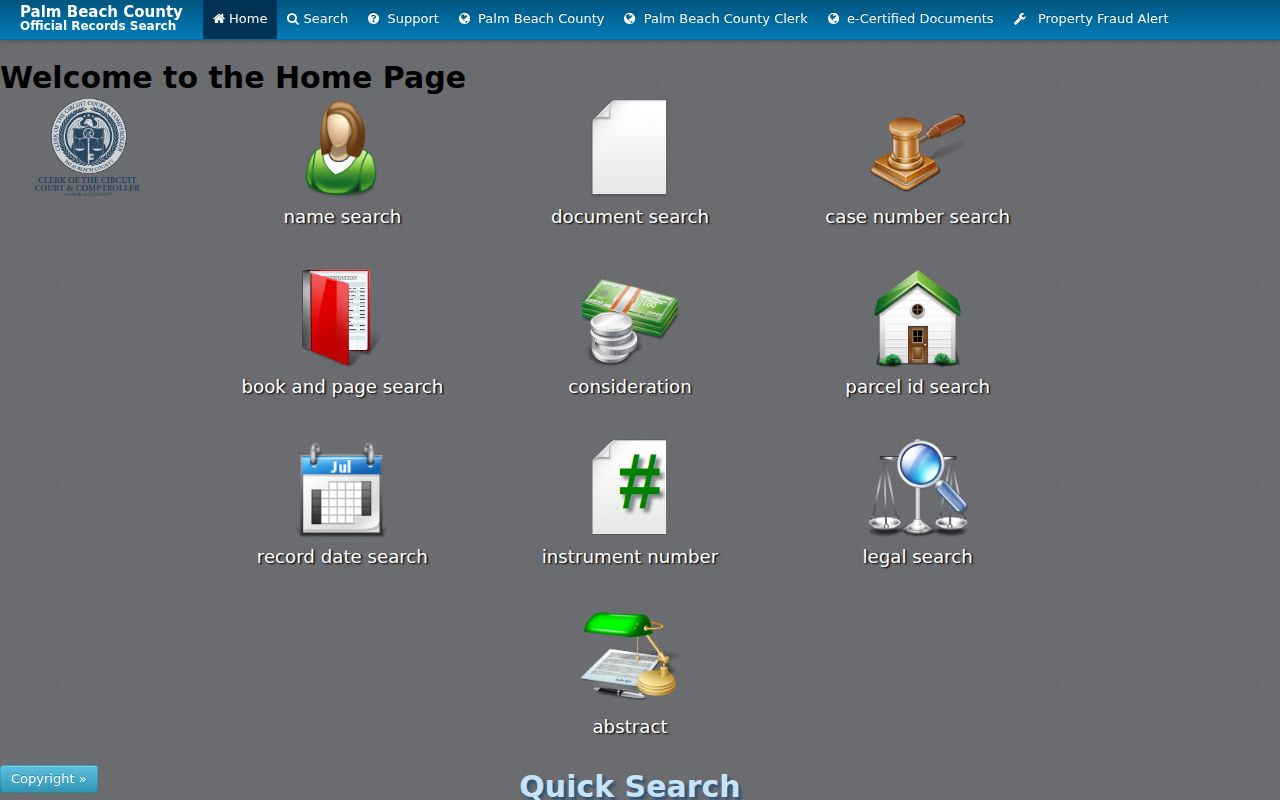
Its index and public images establish the recorded chain, but the Clerk warns that the database is not proof of title.
Research tip. A portal outage or missing image does not change the documented 1968 coverage; ask the Clerk about offline access.
Wellington Addresses Can Drift
Older records may call today’s Wellington parcel Palm Beach County, West Palm Beach, Lake Worth, or only a subdivision. That is a geography issue, not proof that the address moved. Wellington did not become an incorporated Village until 1995. No official source documented a Wellington-wide street-renumbering year, so do not invent one.
Hold the subdivision, lot, block, PCN, and plat constant. A plat can connect a modern address to the first developer deed when the postal city changed. For acreage and equestrian land, use the full legal wording. This helps separate true past residents from people tied to a similar street elsewhere.
Wellington Permits Date Change
Deeds date transfers. Permits can date changes to the place. Wellington Planning links active petition material after June 2019 through CSS. Its older online status system is disabled, so request earlier plans from Planning. Building and engineering files may name an owner, applicant, contractor, address, permit type, inspection, or plan.
Certificates of occupancy help bound completion, while plats may mark the first buildable lot. Acme Improvement District canal, drainage, easement, and right-of-way files form a local trail. Title-opinion requirements call for the current titleholder and deed book/page, bridging a municipal packet to county deeds.
Directories Need Wellington Proof
The State Library holds Florida city directories spanning the early 1900s to the present, arranged by city and year. Yet no authoritative Wellington-specific publisher and year run was verified. Search Wellington, West Palm Beach, Lake Worth, and Palm Beach County, then read each volume’s coverage page.
A reverse or criss-cross section, if present, sorts entries by street and number. It may name a listed occupant and phone, but abbreviations vary. Palm Beach County Library offers in-branch Ancestry Library Edition, card-based HeritageQuest, newspapers, and ProQuest Sanborn Maps. No verified Wellington Sanborn sheet years were found. Maps may help only where a relevant sheet exists.
For the collections themselves, use the Wellington city directory page. A missing entry may reflect omitted suburban territory, not the person’s absence.
Pair Wellington Census Clues
Directory and census evidence works best as a sequence. Confirm geographic reach and read the abbreviation key. Record the exact name and address. Compare editions on both sides of the target year to bound arrival or departure. Then match a 1950-or-earlier entry to the correct census household.
- Search surname variants, initials, maiden names, and reverse sections.
- Note each adjacent edition in which the person appears or disappears.
- Find the matching public census schedule and verify household ties.
- After the census cutoff, test the trail with deeds, permits, newspapers, or probate.
The 1950 census is the latest public federal schedule in 2026 under the 72-year rule. Wellington previous residents require more than a name match, especially in changing pre-incorporation geography.
Close Wellington Resident Trails
An obituary can connect relatives and dates after a household vanishes from an address source. Palm Beach County Library lists the Palm Beach Post Collection and Global Newsstream, whose Advanced Search can filter Document Type to Obituary. Sun Sentinel coverage from 1985 offers a regional check.
Probate is stronger for an estate trail. Clerk files may identify a decedent, petitioner, personal representative, heirs, counsel, and dated filing addresses. A filing address belongs to that date, not the present. A deed seller did not necessarily die or move nearby.
The Florida death-certificate source shows the official access rules.
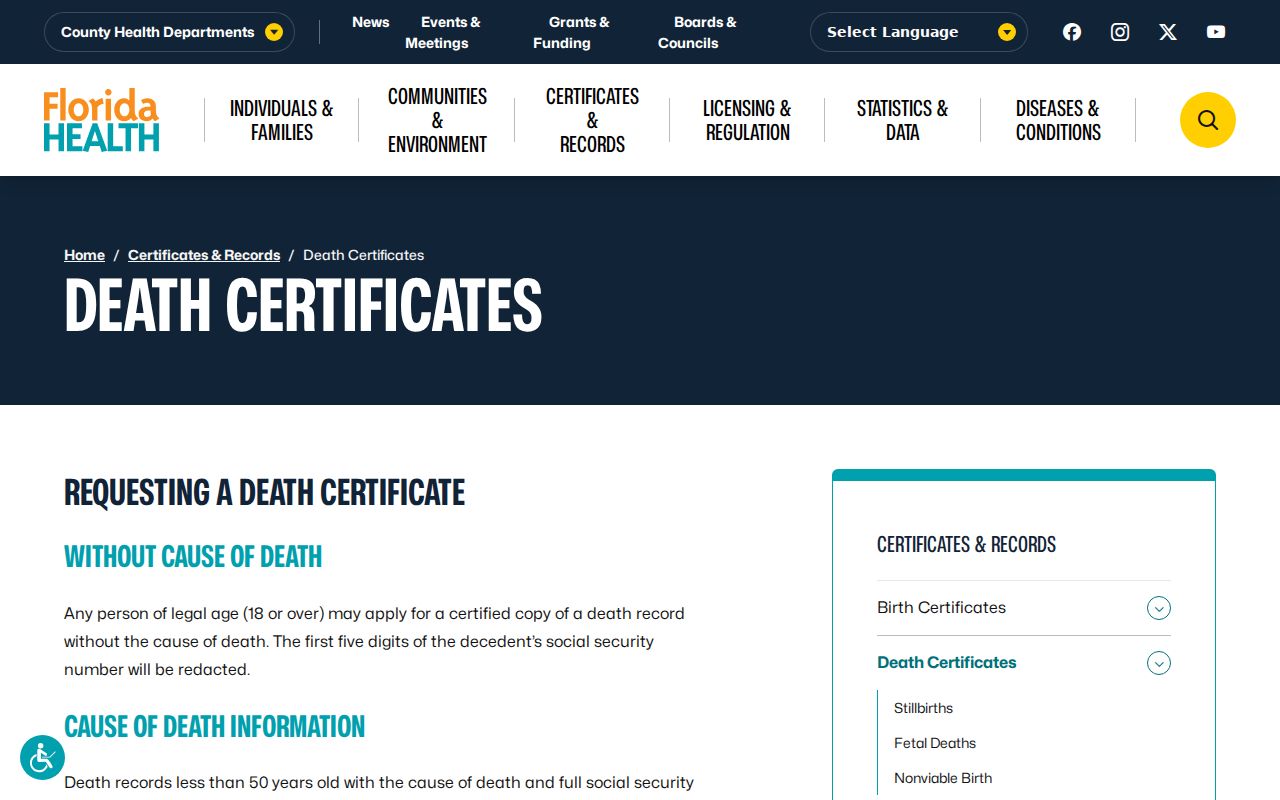
Cause-of-death content remains restricted for 50 years, while older records follow a different release rule.
Use Past Records Lawfully
Ownership never proves that each owner occupied the home, and it omits most household members. Homestead and matching mailing data are evidence consistent with owner occupancy, not a household roster. Protected owners may have fields suppressed.
Keep the search focused on house history, genealogy, estate work, or personal curiosity. Do not publish sensitive facts about living people without need. Florida law protects qualifying addresses, and misuse to stalk, threaten, or harass can bring serious consequences.
Lawful use. Respect redactions and protected-address programs; a blank field is not an invitation to bypass safeguards.
Marriage Clues for Past Residents
A marriage can explain a surname change that breaks the Wellington previous residents trail. The Florida marriage certificate page covers state certificates from June 6, 1927 forward, while Palm Beach County marriage listings reach 1909.
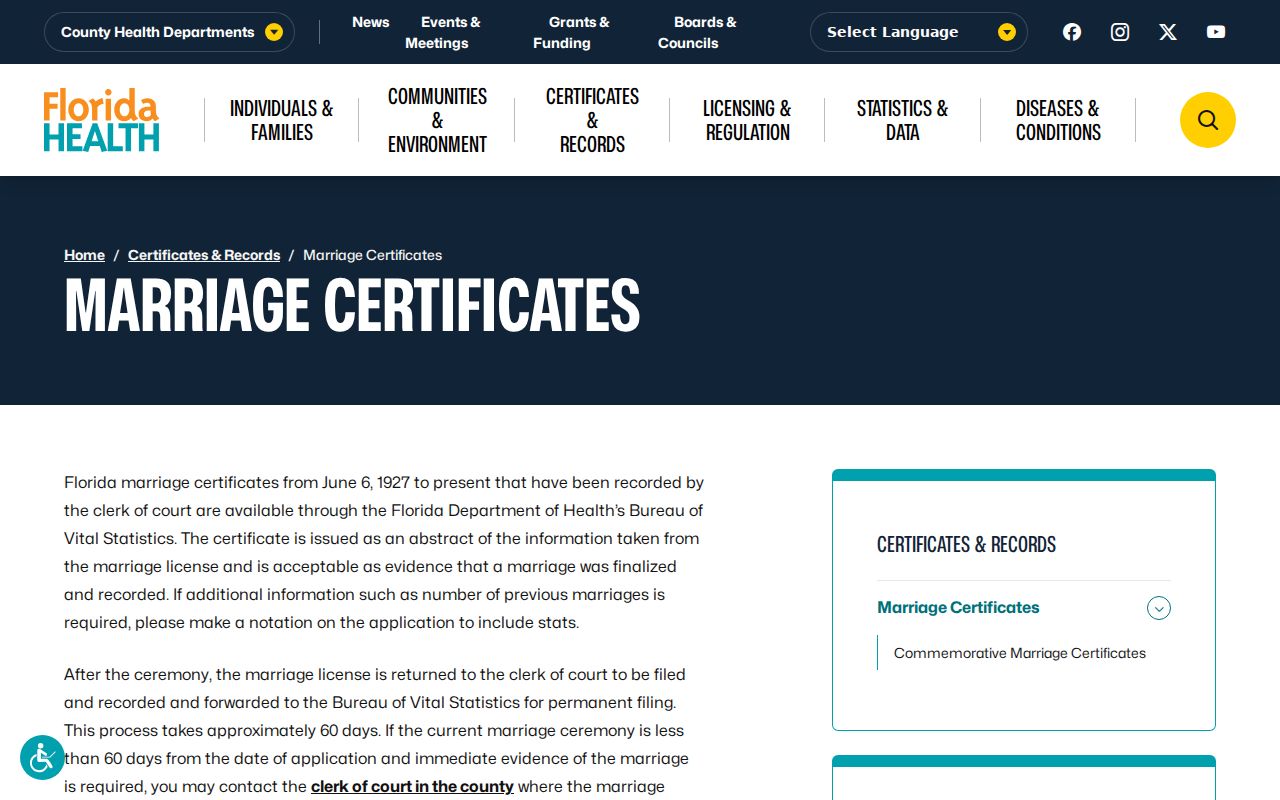
The state certificate is a summary. The county license file may preserve more detail about the past household.
When a couple’s address trail ends, a Florida divorce report can confirm names, county, and date for events in the state coverage period.
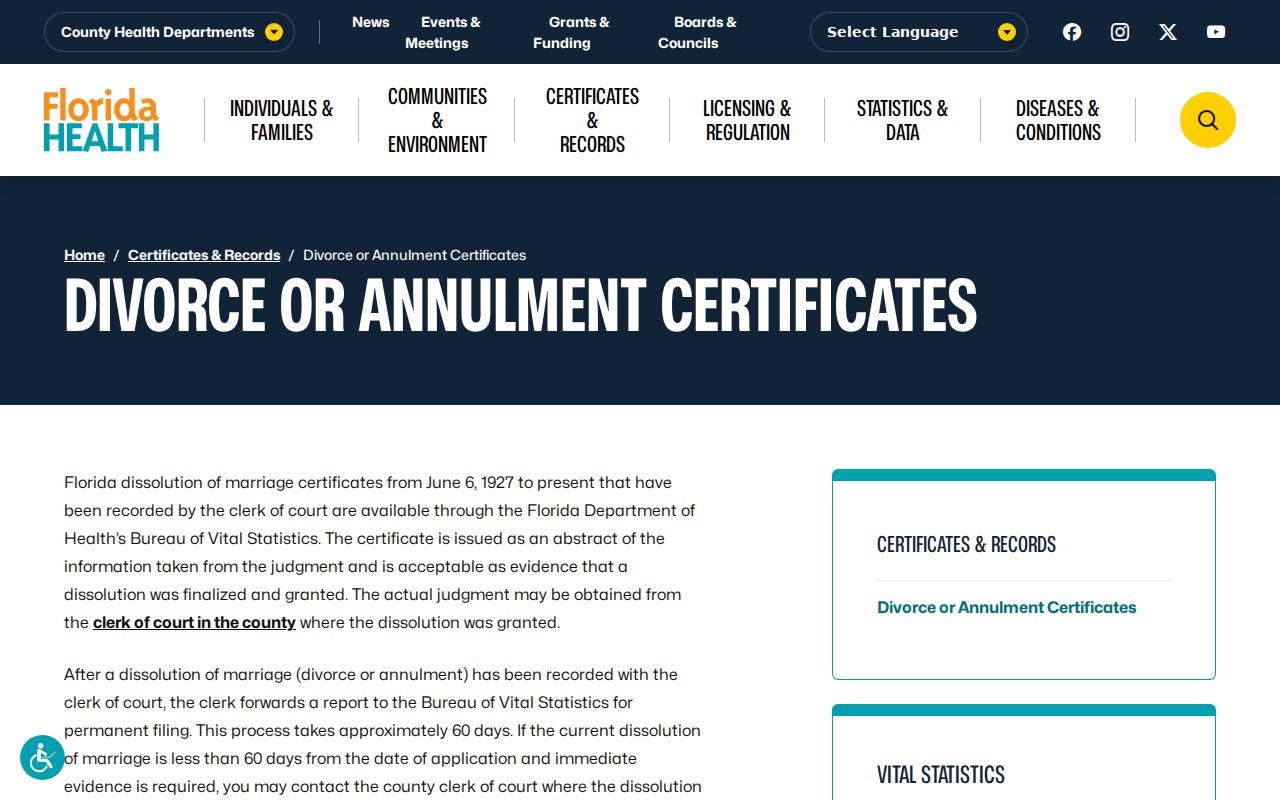
The Palm Beach Clerk’s court file, not the state summary, holds the judgment and docket subject to family-record confidentiality.
Keep Wellington House Notes Clear
Build one row for each event with the source, date, name as written, role, book/page or case number, and the legal description. Mark an inference as an inference. A deed proves a transfer, a permit proves a filed project, and an obituary reports family ties, but none alone proves every occupant. This simple source log prevents a previous residents timeline from blending two Wellington parcels or two people with the same name.
If a custodian corrects a record or explains a coverage gap, record the date and office. Use certified copies only when the task requires official proof. Save name variants as they appear, including initials, compound surnames, maiden names, suffixes, trust names, and LLCs. Then note why two forms appear to be the same party.
End each former-resident entry with a confidence level. A matched deed, directory, and probate file is stronger than an unsourced name from a compiled profile. If the evidence conflicts, preserve both dates and return to the custodian instead of choosing the more convenient result.